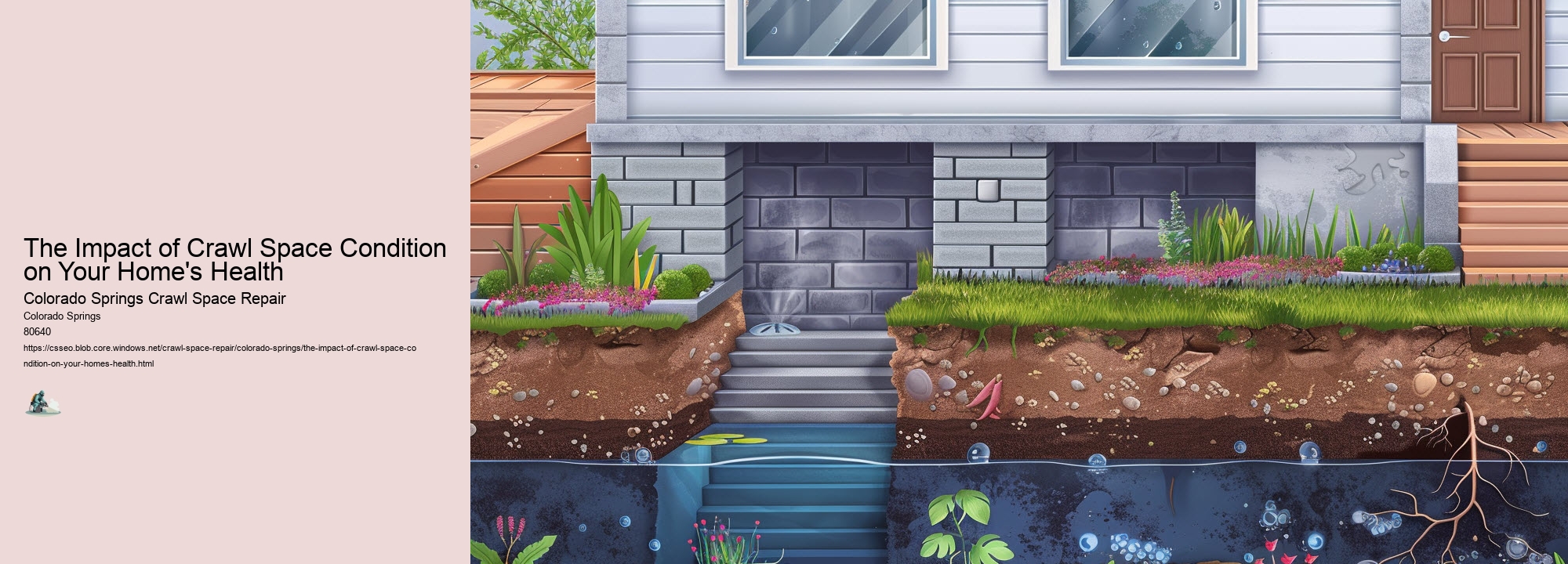
Ensuring the well-being of your home starts with considering the often overlooked crawl space beneath it. From unseen moisture issues to potential mold growth, the condition of this hidden space can have a direct impact on your family's health and the integrity of your property. Discover how addressing crawl space concerns can not only safeguard your home's structure but also enhance the quality of life within your living environment.
Importance of Crawl Space Maintenance
Maintaining your crawl space is essential for ensuring the overall health and integrity of your home. A well-kept crawl space helps in preventing moisture buildup, which can lead to issues such as mold growth, wood rot, and pest infestations.
By regularly inspecting and cleaning your crawl space, you can identify and address any potential problems before they escalate, saving you from costly repairs down the line.
Proper ventilation is a key aspect of crawl space maintenance. Ensuring adequate airflow helps in reducing humidity levels and preventing the accumulation of moisture, which is vital for keeping your crawl space dry and free from mold and mildew.
Additionally, sealing off any gaps or cracks in the crawl space's walls or foundation can help in keeping out pests and moisture.
Regularly checking for plumbing leaks, damaged insulation, and signs of water intrusion are important tasks that shouldn't be overlooked. Investing time and effort into maintaining your crawl space can greatly contribute to the overall health and longevity of your home.
Mold and Mildew Risks
To safeguard your home from potential health hazards, it's essential to be aware of the risks associated with mold and mildew growth in your crawl space. Mold and mildew thrive in damp, dark environments like crawl spaces, posing serious health risks to you and your family:
- Respiratory Issues: Mold spores can cause or exacerbate respiratory problems such as asthma, allergies, and respiratory infections. The stagnant air in crawl spaces allows these spores to circulate throughout your home, affecting indoor air quality.
- Structural Damage: Mold and mildew growth can lead to structural damage in your home. As they spread, they can weaken wooden beams and compromise the integrity of your home's foundation, potentially leading to costly repairs.
- Odor and Aesthetic Concerns: Beyond health and structural risks, mold and mildew also produce musty odors and unsightly stains. These issues can affect your home's overall comfort and reduce its aesthetic appeal.
Regular inspections and moisture control measures in your crawl space are essential in preventing mold and mildew growth and maintaining a healthy living environment.
Pest Infestations
Pest infestations in crawl spaces can pose serious threats to both the structural integrity of your home and the health of its occupants. Rodents, insects, and other pests can cause damage by chewing through insulation, wiring, and even wooden support beams. This can weaken the structure of your home over time, leading to potential safety hazards and costly repairs.
Additionally, pests in crawl spaces can introduce health risks. Rodents and insects can carry diseases, contaminate surfaces with droppings, and trigger allergies. For example, rodent droppings can spread harmful bacteria, while cockroaches can exacerbate asthma symptoms.
To prevent pest infestations in crawl spaces, it's essential to maintain a clean and dry environment. Seal any openings that pests could use to enter the crawl space, such as gaps around pipes or vents.
Regular inspections and pest control measures can help identify and address infestations before they become severe. By taking proactive steps to prevent pest infestations, you can protect both your home's structure and the well-being of its occupants.
Indoor Air Quality Concerns
You should be aware that crawl space conditions can greatly impact your home's indoor air quality. Mold and allergens thrive in damp, poorly ventilated crawl spaces, leading to potential health risks for you and your family.
Proper ventilation and circulation are essential to guarantee a healthy living environment by reducing the concentration of harmful airborne particles.
Mold and Allergens
Mold and allergens lurking in crawl spaces can greatly diminish the indoor air quality of your home, potentially causing health issues for occupants. These harmful substances are often overlooked but can have a significant impact on your respiratory health. Here's how they affect your home:
- Respiratory Problems: Mold spores and allergens can trigger allergies, asthma attacks, and other respiratory issues, especially in children and the elderly.
- Health Risks: Prolonged exposure to mold and allergens in the air can lead to chronic sinus infections, lung infections, and even long-term lung damage.
- Odor Concerns: Mold growth in crawl spaces can produce musty odors that permeate your living spaces, making your home unpleasant and potentially affecting your quality of life.
Regular inspections, proper ventilation, and moisture control in crawl spaces are essential in preventing mold and allergen buildup, ensuring a healthier indoor environment for you and your family.
Ventilation and Circulation
Ventilation and circulation play a vital role in maintaining excellent indoor air quality, directly impacting the overall health and well-being of your household. Proper ventilation helps remove indoor pollutants, excess moisture, and odors, promoting a healthier living environment.
In crawl spaces, inadequate ventilation can lead to a buildup of moisture, promoting mold growth and attracting pests. Poor air circulation in these areas can cause stale air to linger, leading to musty odors and potentially harmful airborne particles.
Insufficient ventilation can also result in high humidity levels, creating a breeding ground for mold and mildew. This can exacerbate respiratory issues, trigger allergies, and compromise the structural integrity of your home. Installing vents and using fans can help improve airflow in crawl spaces, reducing the risk of mold and moisture-related problems.
Regularly inspecting and maintaining ventilation systems is essential to ensure excellent air quality throughout your home. By prioritizing ventilation and circulation in your crawl space, you can safeguard the health of your household and maintain a comfortable indoor environment.
Structural Damage Potential
Your crawl space's moisture levels can lead to structural damage potential in your home. Excess moisture can weaken wooden supports and promote mold growth, compromising the integrity of your house's foundation.
Additionally, the presence of pests attracted to damp environments can further exacerbate structural issues over time.
Moisture Risks
Excessive moisture in crawl spaces can lead to a host of structural issues, compromising the integrity of your home over time. Here's why it's vital to address moisture risks promptly:
- Wood Rot: Moisture in crawl spaces can cause wooden structural elements, such as floor joists and beams, to rot over time. This compromises the stability of your home's foundation and can lead to costly repairs.
- Mold Growth: High humidity levels in crawl spaces create the perfect environment for mold to thrive. Mold not only weakens structural components but also poses serious health risks to you and your family.
- Foundation Damage: Prolonged exposure to moisture can weaken the foundation of your home, leading to cracks, shifting, and settling. These issues can jeopardize the structural stability of your entire house.
Addressing moisture risks in your crawl space through proper ventilation, encapsulation, and drainage systems is essential to safeguarding your home against these structural damage potentials.
Pest Infestations
To protect your home's structural integrity, it's important to address the potential for pest infestations in your crawl space. Pest infestations can lead to structural damage that compromises the safety and stability of your home.
Insects like termites and carpenter ants are particularly concerning as they feed on wood, potentially causing significant harm to the wooden supports and beams in your crawl space.
Rodents such as mice and rats are also common crawl space invaders. They can gnaw on electrical wires, insulation, and even wooden structures, creating safety hazards and increasing the risk of fires.
Additionally, pests like cockroaches and ants can contaminate the crawl space with their droppings, posing health risks to you and your family.
Regular inspections, proper ventilation, and sealing off entry points are essential in preventing pest infestations in your crawl space. Addressing any signs of infestation promptly and implementing pest control measures can help safeguard your home against structural damage and maintain a healthy living environment.
Energy Efficiency Impact
The condition of your crawl space greatly affects the energy efficiency of your home. Let's explore how this impacts your household:
- Insulation Breakdown: When your crawl space isn't properly maintained, insulation can deteriorate due to moisture and pests. This can lead to heat loss in the winter and cool air leakage in the summer, making your HVAC system work harder to maintain a comfortable temperature.
- Air Leakage: Gaps or cracks in the crawl space allow air to seep into your home, causing drafts and temperature fluctuations. This forces your heating and cooling systems to run longer, consuming more energy and increasing your utility bills.
- Humidity Levels: Excessive moisture in the crawl space can result in high indoor humidity levels. This not only makes your home feel uncomfortable but also forces your air conditioner to work overtime to dehumidify the air, consuming extra energy.
Addressing crawl space issues can greatly improve your home's energy efficiency, reduce utility costs, and enhance overall comfort.
Health Risks for Occupants
Mold and mildew growth in crawl spaces can release harmful spores into your home, contributing to respiratory issues and allergies.
Poor air quality stemming from crawl space contaminants like radon and VOCs can lead to long-term health concerns for occupants.
Pest infestations in crawl spaces not only pose physical health risks but also bring the potential for property damage and hygiene issues.
Mold and Mildew
Exposure to mold and mildew in a crawl space can pose significant health risks for occupants, leading to respiratory issues and exacerbating allergies. The presence of mold and mildew in your crawl space can have detrimental effects on your health. Here's why:
- Respiratory Problems: Mold spores released into the air can be inhaled, causing irritation in the respiratory tract. Prolonged exposure to these spores can lead to conditions such as asthma and bronchitis.
- Allergy Aggravation: Mold and mildew are common allergens that can trigger allergic reactions in sensitive individuals. Symptoms may include sneezing, coughing, and itchy eyes, making occupants uncomfortable in their own homes.
- Toxic Mold: Certain types of mold, such as black mold, produce mycotoxins that can be harmful if ingested or inhaled. Toxic mold exposure can cause more severe health issues, including neurological problems and immune system suppression.
Regular inspections and maintenance of your crawl space are essential in preventing mold and mildew growth to safeguard the health of your household.
Air Quality
Inhaling poor air quality within your home, including pollutants originating from a crawl space, can greatly impact the health of occupants. The air quality in crawl spaces can be compromised by various factors such as mold spores, dust mites, radon, and volatile organic compounds (VOCs).
When these contaminants are present in the crawl space, they can easily infiltrate your living spaces through minute cracks and gaps in the foundation, leading to respiratory issues, allergies, and other health problems.
Mold spores released from damp crawl spaces can trigger allergic reactions and exacerbate asthma symptoms. Dust mites thrive in humid environments like crawl spaces and can worsen allergies. Radon, a radioactive gas that originates from the soil, can seep into your home through the crawl space and increase the risk of lung cancer. VOCs emitted by household products stored in the crawl space can cause headaches, dizziness, and respiratory irritation.
Regular inspection, cleaning, and proper ventilation of crawl spaces are essential to maintain good indoor air quality and safeguard the health of occupants.
Pest Infestation
Pest infestation in crawl spaces poses significant health risks for occupants due to the potential transmission of disease-carrying pathogens. The presence of pests in this area can lead to various health issues, impacting the overall well-being of individuals residing in the house. Here's why pest infestation in crawl spaces should be a matter of concern:
- Essential for Disease: Pests like rodents and insects can carry harmful bacteria and viruses, increasing the likelihood of disease transmission within your home.
- Vital Trigger: Pest droppings and shed skin can act as triggers for allergies and respiratory problems, exacerbating existing conditions or causing new ones.
- Property Damage: Pests can gnaw through insulation, wiring, and wood, potentially compromising the structural integrity of your home and leading to costly repairs.
Given these risks, it's important to address any signs of pest infestation promptly to safeguard your health and protect your property from further damage.
Signs of Crawl Space Issues
One common indicator of potential crawl space issues is a noticeable musty odor emanating from beneath your home. This unpleasant smell is often a sign of excess moisture in the crawl space, which can lead to mold and mildew growth.
Another sign to watch for is sagging floors above the crawl space. If you notice any unevenness or sagging in your floors, it could indicate structural damage caused by excess moisture or wood rot in the crawl space.
Additionally, keep an eye out for pest infestations such as rodents or insects in your home. Crawl spaces that aren't properly sealed or maintained can provide easy access for pests to enter your living space.
High utility bills can also be a red flag for crawl space issues. Poor insulation or air leaks in the crawl space can lead to energy loss and increased heating and cooling costs for your home.
Professional Inspection Benefits
A professional inspection of your crawl space can provide valuable insights into the overall health and condition of your home.
Here are three key benefits of investing in a professional crawl space inspection:
- Early Detection of Issues: Professional inspectors are trained to identify potential problems such as moisture buildup, mold growth, pest infestations, and structural damage before they escalate. This early detection can save you from costly repairs in the future.
- Improved Indoor Air Quality: Crawl spaces can harbor allergens, mold spores, and other contaminants that can easily infiltrate your home's air supply. A thorough inspection can reveal if there are any air quality issues originating from your crawl space.
- Customized Remediation Plans: After a detailed inspection, professionals can provide you with a tailored remediation plan based on the specific issues found in your crawl space. This personalized approach ensures that all problems are addressed effectively, promoting a healthier living environment for you and your family.
Remediation and Prevention Tips
To effectively address issues discovered during a professional crawl space inspection, implementing targeted remediation and prevention strategies is essential. Begin by repairing any water leaks or moisture issues in the crawl space. Properly insulating and sealing the area can help prevent moisture buildup and mold growth. Installing a vapor barrier on the floor can also aid in moisture control.
Make sure that all vents are functioning correctly and consider a dehumidifier for persistent moisture problems.
Additionally, regular inspections and maintenance are critical. Check for any signs of pests and promptly address any infestations. Keep the crawl space clean and clutter-free to discourage pests and mold. Monitor humidity levels regularly and maintain proper ventilation.
Consider installing a sump pump if water accumulation is a recurring problem.
Frequently Asked Questions
How Do I Know if My Crawl Space Is Affecting My Home's Energy Bills?
You can determine if your crawl space is impacting your home's energy bills by checking for signs of insulation issues, air leaks, or moisture problems. Insulation that's damaged or lacking, air leaks around pipes or vents, and excess moisture can all lead to increased energy usage.
Conducting a thorough inspection and addressing any issues promptly can help improve your home's energy efficiency and reduce utility costs.
Can Crawl Space Issues Lead to Respiratory Problems for Occupants?
If your crawl space has issues, it can indeed lead to respiratory problems for you and your family. Mold, mildew, and poor air quality in crawl spaces can cause or exacerbate respiratory issues like allergies and asthma.
Proper ventilation, moisture control, and insulation in your crawl space are essential for maintaining good indoor air quality and safeguarding against respiratory problems.
Regular inspections and maintenance can help prevent these health risks.
Are There DIY Methods to Prevent Pest Infestations in Crawl Spaces?
To prevent pest infestations in crawl spaces, start by sealing any cracks or openings where pests could enter. Use wire mesh or caulk to cover gaps.
Keep the area clean and remove any debris that could attract pests. Consider installing a vapor barrier to reduce moisture, which can attract pests.
Regularly inspect and maintain the crawl space to catch any issues early. These DIY methods can help keep pests at bay in your crawl space.
What Are the Signs of a Crawl Space Issue That I Should Look Out For?
To identify crawl space issues, watch for signs like: - Musty odors - Mold growth - Sagging floors - High humidity levels - Pest infestations - Increased energy bills
Inspect for: - Water leakage - Foundation cracks - Rotting wood
Look for: - Pest droppings - Chewed wires - Nesting materials
Check for gaps or holes that animals could use as entry points. Regularly monitor these indicators to catch problems early and maintain a healthy crawl space.
Is There a Correlation Between Crawl Space Condition and Property Value?
Yes, there's a correlation between crawl space condition and property value. A well-maintained crawl space can positively impact property value by ensuring structural integrity, preventing moisture-related issues, and enhancing energy efficiency.
On the other hand, a neglected crawl space with issues like mold, water damage, or pest infestations can lower property value due to potential health hazards, structural damage, and the need for costly repairs.
Regular inspections and maintenance are key for preserving property value.
Conclusion
To sum up, maintaining the condition of your crawl space is essential for the overall health and integrity of your home. Neglecting crawl space maintenance can lead to a range of issues such as mold growth, pest infestations, and structural damage.
By staying proactive with regular inspections, proper ventilation, and moisture control, you can prevent these problems and guarantee a healthy living environment for you and your family.
Don't overlook the importance of crawl space care in safeguarding your home's well-being.
The Ultimate Guide to Crawl Space Repair in Colorado Springs
Colorado Springs Crawl Space Repair: Costs and Considerations